

The Complete Guide to Video Production in Mexico
RESOURCE GUIDE
Planning a video production in another country comes with a unique set of challenges.
You may need to film inside a manufacturing facility, interview executives across multiple cities, capture customer stories, launch a product, document an event, or produce an entire campaign.
Mexico offers an extraordinary range of production environments. From major industrial and business centers to corporate offices, manufacturing facilities, hospitality destinations, urban locations, and diverse landscapes, there are opportunities to produce a wide variety of content across the country.
But successful execution requires more than simply booking a camera crew.
Choosing the right locations, building the right team, sourcing equipment, coordinating logistics, understanding production requirements, and maintaining clear communication are all part of the process.
This guide walks through the key things international companies, agencies, and production teams should consider when planning a professional video production in Mexico.
IN THIS GUIDE
1. Why Produce Video in Mexico?
2. Start With Your Production Goals
3. Choosing Where to Film
4. Do You Need a Local Production Partner?
5. Building the Right Production Crew
6. Sourcing Production Equipment
7. Planning Travel and Production Logistics
8. Understanding Permits and Production Requirements
9. Managing Multi-City Productions
10. Communication and Remote Collaboration
11. What Happens After the Shoot?
12. How Far in Advance Should You Start Planning?
1. Why Produce Video in Mexico?
Mexico offers a wide range of environments for companies and production teams planning professional video content.
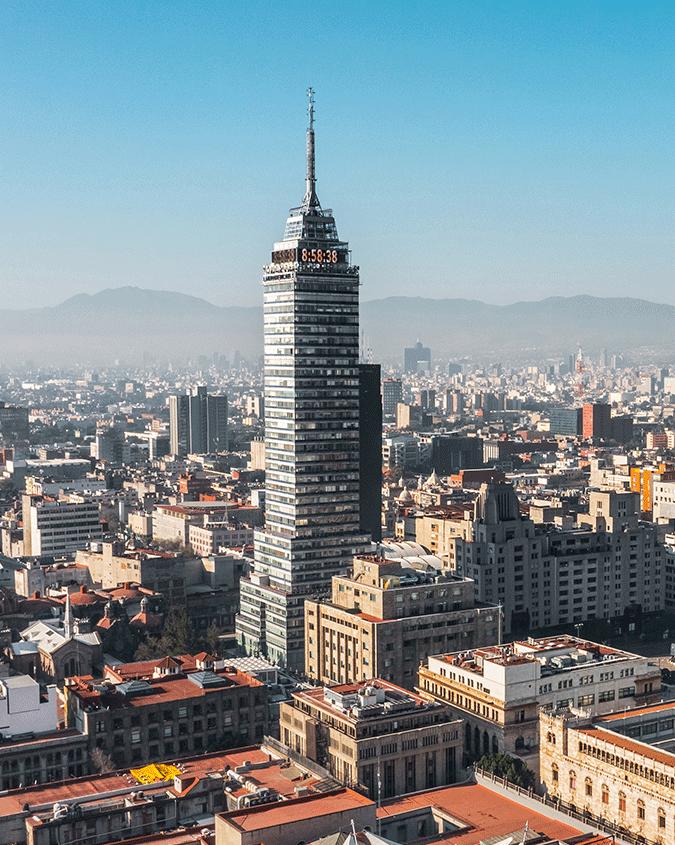
Depending on the project, a production might take place inside a manufacturing facility in Monterrey, an automotive operation in Querétaro, a corporate office in Mexico City, a technology campus in Guadalajara, or a hospitality destination in Cancún or Los Cabos.
The country is also home to experienced production professionals, equipment vendors, specialized crew, and local production support across its major business and production centers.
For international teams—particularly those based in the United States—Mexico can also offer practical advantages when it comes to geographic proximity, travel, and coordinating productions across multiple locations.
However, Mexico should not be approached as a single, uniform production market.
Every city, state, location, and production environment can present different opportunities and logistical considerations. The resources available in Mexico City may differ from those in Monterrey. Filming inside an active manufacturing facility requires a very different approach than producing content at a resort or coordinating interviews across several cities.
The right production plan starts with understanding what you need to create—and then determining where and how to make it happen.
2. Start With Your Production Goals
One of the most common mistakes in production planning is starting with the wrong question.
Instead of immediately asking:
“How much does a video cost?”
Start by asking:
“What are we trying to accomplish?”
The answer will influence almost every production decision that follows.
Before building a budget or booking a crew, it helps to define:
Who is the audience?
Are you speaking to potential customers, employees, investors, distributors, healthcare professionals, or another specific audience?
What message needs to be communicated?
Are you introducing a product, explaining a process, building trust, recruiting talent, documenting an event, or telling a larger brand story?
Where will the content be used?
A video designed for a website may require a different approach than content created for social media, internal communications, a trade show, or a larger campaign.
What deliverables do you need?
Think beyond a single finished video.
One production can potentially generate:
- A primary brand or corporate video
- Executive interviews
- Customer testimonials
- Social media content
- Short-form edits
- Photography
- Drone footage
- B-roll for future use
Who is handling creative direction?
Some teams arrive with a complete creative concept, script, director, and production plan.
Others need support developing the entire production from the ground up.
Both approaches can work. The important thing is understanding where your team needs support.
A clear production brief makes it easier to build the right schedule, crew, equipment package, and budget around your actual objectives.
3. Choosing Where to Film in Mexico
The right location depends on what you are trying to capture.
A manufacturing company may need to film inside its own facilities. An agency may be searching for a specific visual environment. A corporate team may need to coordinate executive interviews across multiple offices.
Mexico offers a wide range of production environments.
For example:
Mexico City
A strong option for corporate productions, commercial environments, executive interviews, technology, urban settings, and large-scale productions.
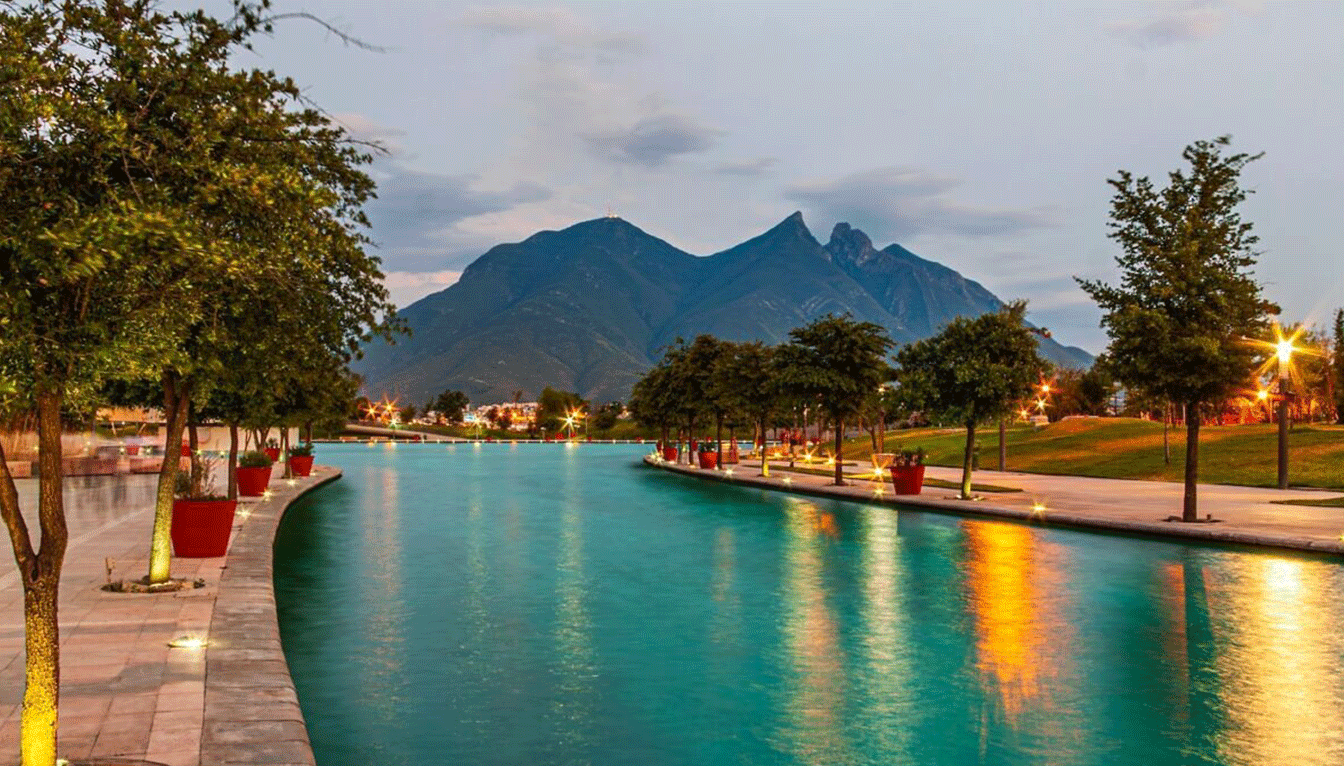
Monterrey
Well suited for manufacturing, industrial operations, automotive, logistics, corporate content, and productions taking place inside active facilities.
Guadalajara
A major center for technology, innovation, business, manufacturing, and commercial production.
Querétaro
Known for its automotive, aerospace, manufacturing, and industrial activity.
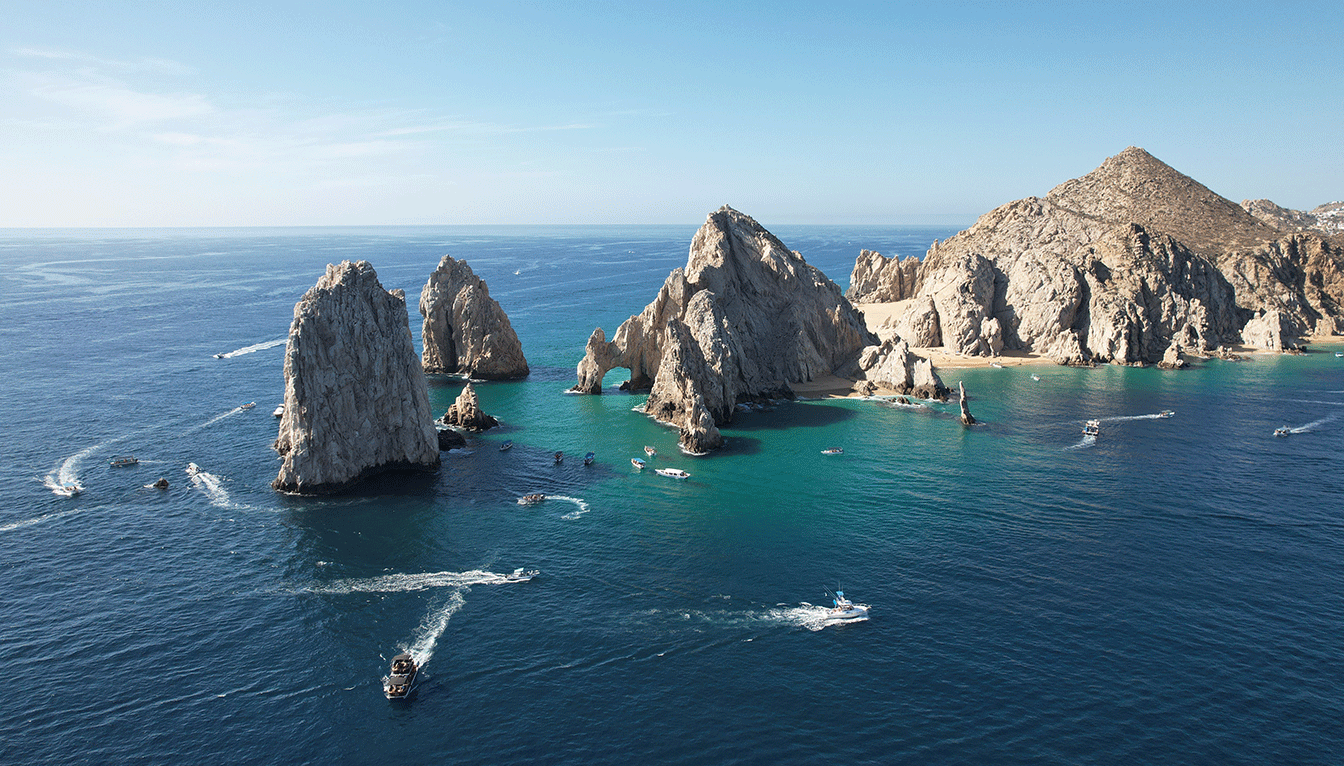
Cancún and Los Cabos
Well suited for hospitality, tourism, luxury, lifestyle, events, and destination-based productions.
Tijuana
A valuable production location for manufacturing, medical devices, technology, cross-border businesses, and industrial operations.
Of course, these are only starting points.
The best location may not be the most visually obvious one. A production also needs to consider access, available space, power, sound, lighting conditions, equipment requirements, crew logistics, travel time, and production restrictions.
For projects that involve unfamiliar locations, location scouting can help identify potential challenges before production day.
This can include:
- Photos and video references
- Remote or in-person scouts
- Access verification
- Production feasibility
- Space evaluation
- Basic production planning
4. Do You Need a Local Production Partner?
Not every production requires the same level of support.
Some international teams already have a director, creative concept, production plan, and post-production team. They may simply need experienced local professionals to execute the shoot.
Others need help coordinating nearly every aspect of production.
A local production partner can support projects at different levels.
You may only need a local crew.
For example, your team may already have:
- A director
- A creative concept
- A shot list
- A production schedule
But need local support with:
- Camera operators
- Audio professionals
- Lighting and grip
- Production assistants
- Drone operators
You may need production support.
Perhaps the creative direction is already established, but you need someone to coordinate:
- Equipment rentals
- Locations
- Transportation
- Local vendors
- Production schedules
- Crew coordination
Or you may need complete production management.
This can include support from the earliest stages of planning through production and delivery.
Depending on the project, that may involve:
- Pre-production
- Budget development
- Crew and vendor coordination
- Equipment
- Locations
- Permits
- Logistics
- On-set supervision
- Media management
The right question is not necessarily:
“Do I need a full production company?”
A better question is:
“What parts of the production do I need help managing locally?”
The answer may be very different from one project to another.
5. Building the Right Production Crew
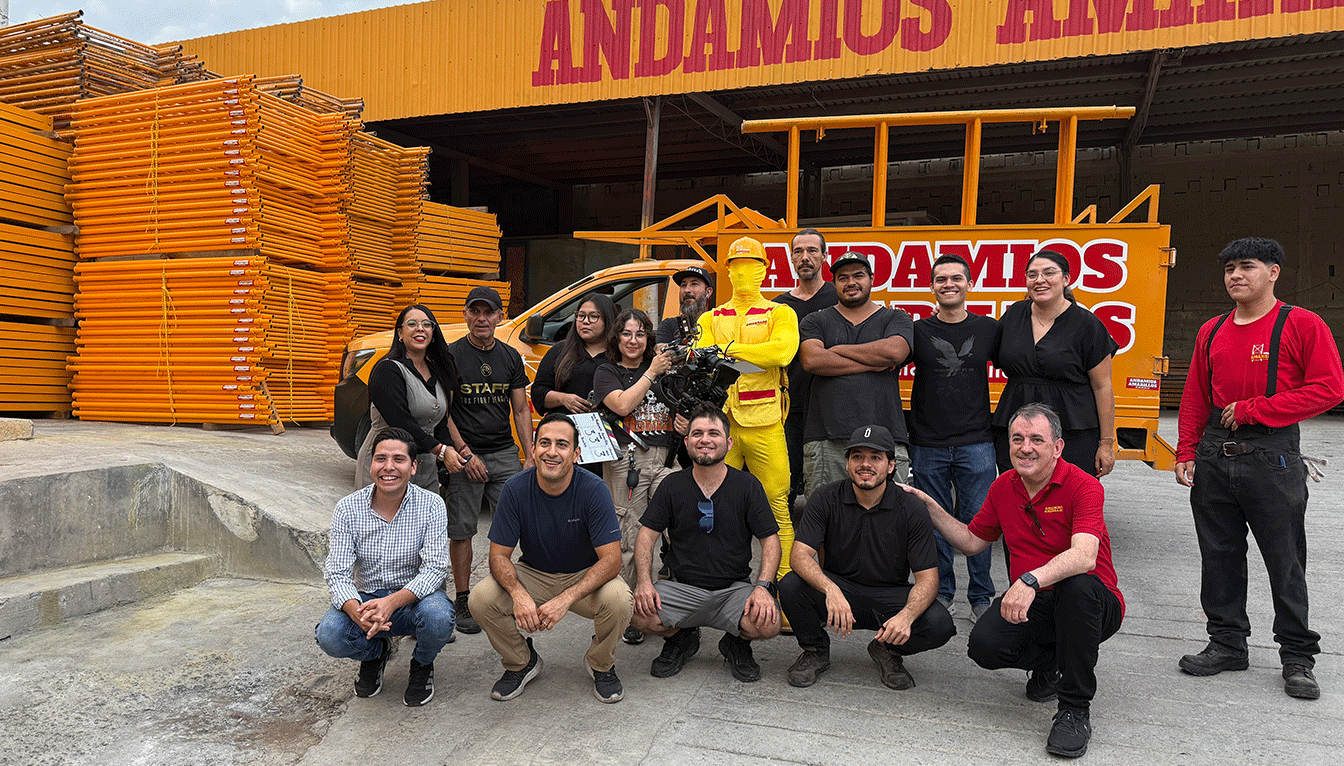
There is no universal crew size for every production.
The right team depends on the scope and complexity of the project.
Factors may include:
- Number of cameras
- Type of location
- Lighting requirements
- Audio requirements
- Production schedule
- Number of subjects
- Creative complexity
- Safety considerations
- Required deliverables
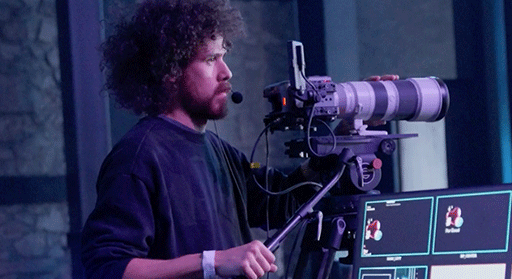
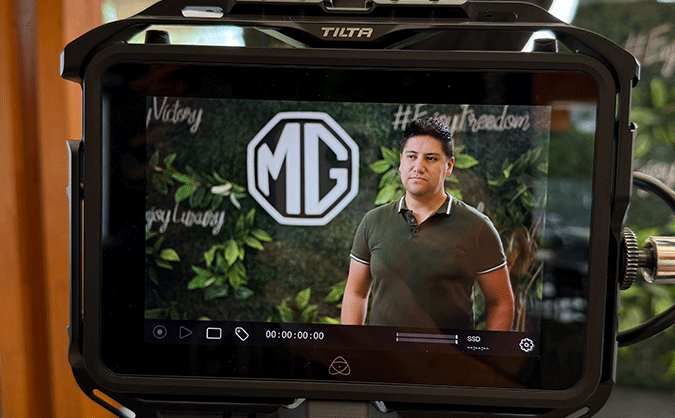
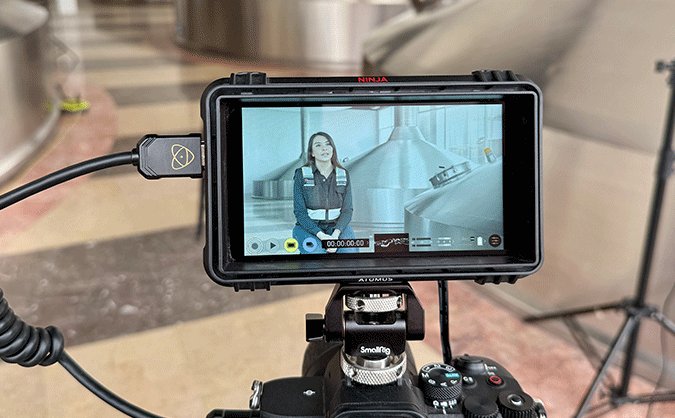
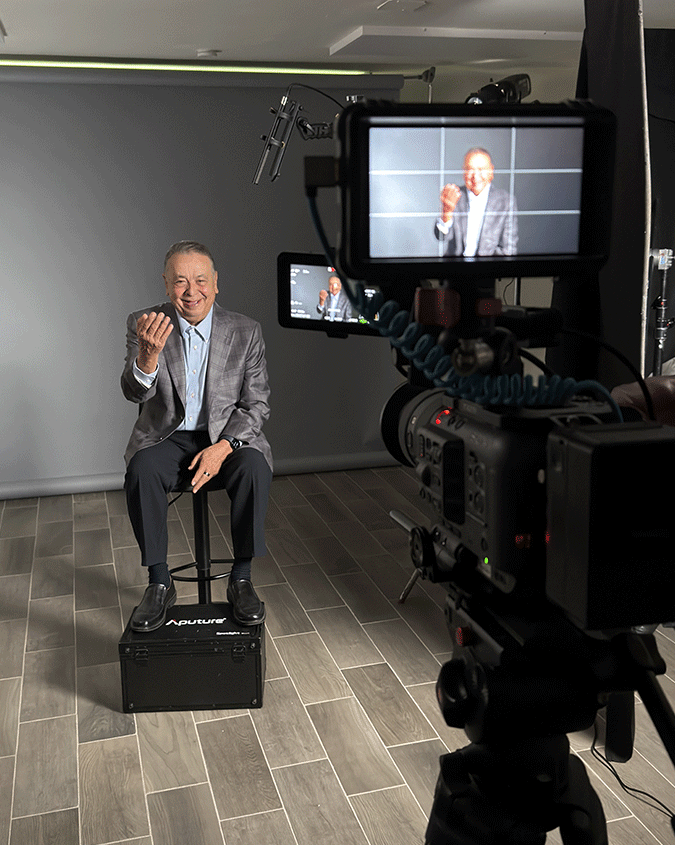
A simple executive interview may only require a compact team consisting of a director of photography, camera support, audio, lighting, and a producer.
A larger production inside an active manufacturing facility may require a broader team that includes multiple camera operators, lighting and grip professionals, sound, drone operators, production assistants, and on-site coordination.
A commercial production may involve an even larger department structure.
The goal is not to bring the largest crew possible.
The goal is to build the right crew for the production.
A properly planned crew can help balance production value, efficiency, budget, and the practical realities of the location.
For international productions, communication is another important consideration. If your creative team is based outside Mexico, working with professionals who can communicate clearly with both your team and local vendors can simplify the entire process.
6. Sourcing Production Equipment
The equipment required for a production depends on what you are filming and how you plan to capture it.
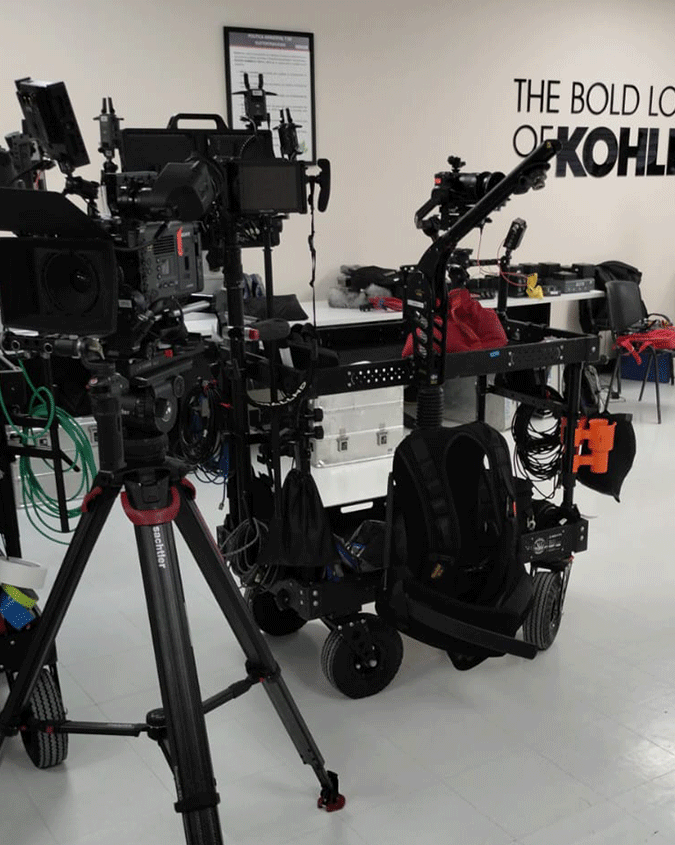
A typical production package may include:
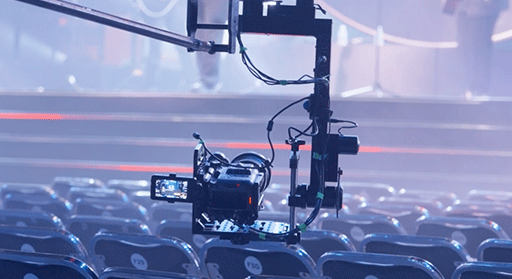
- Cinema or mirrorless camera systems
- Lenses
- Lighting
- Grip equipment
- Audio equipment
- Teleprompters
- Production monitors
- Specialty equipment
- Streaming systems
- Backup equipment
For international teams, one important decision is whether to travel with existing equipment or source some—or all—of the production package locally.
There is no single answer.
The best approach may depend on:
- Equipment availability
- Camera and lens requirements
- Specialty equipment
- Travel logistics
- Customs considerations
- Budget
- Production schedule
- Whether the project is taking place in one or multiple cities
For some productions, traveling with a core camera package makes sense while sourcing lighting, grip, audio, and additional equipment locally.
For others, sourcing a complete package locally may simplify transportation and production logistics.
The important thing is to identify technical requirements early enough to verify availability and build a realistic equipment plan.
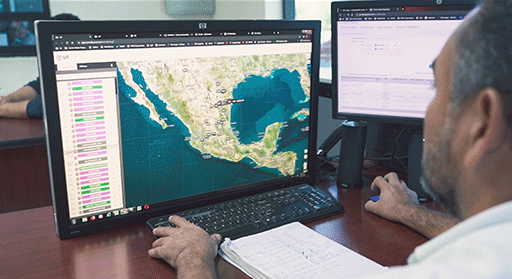
7. Planning Travel and Production Logistics
Production logistics are often invisible when everything goes well.
But they can quickly become one of the biggest challenges when they are overlooked.
A successful production schedule needs to account for more than just camera time.
Depending on the project, planning may include:
- Flights
- Hotels
- Ground transportation
- Crew travel
- Equipment transportation
- Airport proximity
- Location access
- Setup and breakdown time
- Travel between locations
- Meal planning
- Production schedules
The realities of the filming environment also matter.
A shoot inside an active manufacturing facility, for example, may need to work around:
- Shift changes
- Safety procedures
- Restricted areas
- Noise
- Operational schedules
- Limited access windows
A multi-location interview production may require careful planning around travel times and executive availability.
A destination production may require additional coordination around accommodations, transportation, and location access.
Every production schedule should be built around the realities of where the work is actually taking place—not just around the ideal shooting schedule on paper.
8. Understanding Permits and Production Requirements
One of the most common questions international teams ask is:
“Do we need a permit to film in Mexico?”
The answer is:
It depends.
Requirements can vary depending on where, what, and how you are filming.
Factors may include:
- Whether the location is public or private
- The city or state where filming takes place
- The type and scale of production
- Crew size
- Equipment
- Public impact
- Drone operations
- Access to restricted areas
- Special or protected locations
Filming inside a private corporate office or facility, for example, is very different from filming in a public street, a government-controlled location, or a protected area.
The best approach is to evaluate potential requirements early in the planning process.
Waiting until shortly before production day can create unnecessary complications.
A local production partner can help identify potential permit or authorization requirements based on the specific locations and activities involved.
9. Managing Multi-City Productions
Mexico is a large country, and many corporate and industrial productions don't take place in a single location.
A company may need to capture:
- Manufacturing operations in Monterrey
- Customer interviews in Querétaro
- Executive interviews in Mexico City
At first, this might appear to require three completely separate productions.
With proper planning, however, a multi-city project can be coordinated as a single production strategy.
The process may include:
- One primary point of contact
- Centralized production planning
- Consistent visual standards
- Shared production requirements
- Coordinated schedules
- Local crew sourcing
- Equipment planning
- Travel coordination
- Media management
- Centralized delivery
One of the biggest decisions is whether to travel with a core production team or build local crews in each city.
The answer depends on factors such as:
- Schedule
- Budget
- Production complexity
- Creative consistency
- Equipment requirements
- Number of shoot days
In some cases, traveling with a director or director of photography while sourcing additional local crew makes sense.
In others, it may be more efficient to build complete local teams coordinated under a single production plan.
The key is consistency.
Even when multiple crews are involved, the production should still feel like one coordinated project—not a collection of unrelated shoots.
10. Communication and Remote Collaboration
You don't necessarily need to be physically present for every production.
Many international companies and agencies coordinate projects in Mexico remotely.
Depending on the scope of the production, remote collaboration may include:
- Pre-production calls
- Virtual location scouts
- Creative reviews
- Remote monitoring
- Live client feedback
- Video calls during production
- Daily production updates
- Media previews
- End-of-day reviews
However, remote production works best when communication and decision-making processes are established before production begins.
It helps to define:
- Who has final creative approval
- Who is available during production
- What decisions can be made locally
- How feedback will be communicated
- What requires client approval
- How footage and production updates will be shared
Clear communication can be just as important as cameras and equipment.
A well-organized approval process helps avoid unnecessary delays and allows the local production team to move efficiently when decisions need to be made.
11. What Happens After the Shoot?
Production doesn't necessarily end when the cameras stop rolling.
What happens next depends on how the project has been structured.
Raw Footage Delivery
Some international teams handle post-production internally or through an agency or editing team in another country.
In those cases, the production team may simply organize, back up, and deliver the original media.
Media Management
Depending on the size of the production, footage may need to be:
- Backed up
- Organized
- Labeled
- Prepared for transfer
- Uploaded or shipped
A clear media workflow should ideally be established before production begins.
Post-Production
For projects requiring full post-production, services may include:
- Editing
- Color correction
- Sound design
- Motion graphics
- Subtitles
- Multiple versions
- Social media edits
- Different language versions
Multiple Deliverables
One production doesn't have to result in one video.
With proper planning, a single shoot may create a broader library of content that can be used across multiple channels.
For example:
- A primary corporate video
- Executive interview edits
- Short social clips
- Facility footage
- Photography
- Additional B-roll
- Raw interview footage for future use
Thinking about deliverables before production begins helps ensure that the right footage is captured while the crew is already on location.
12. How Far in Advance Should You Start Planning?
There is no universal timeline for every production.
A straightforward executive interview may require significantly less planning than a multi-city production involving locations, talent, permits, equipment, travel, and multiple production teams.
However, one principle applies to almost every project:
The earlier you start planning, the more options you have.
Early planning can provide greater flexibility around:
- Crew availability
- Equipment
- Locations
- Travel
- Production schedules
- Permits or authorizations
- Client approvals
- Creative preparation
Even if you don't yet have every production detail defined, involving your local production partner early can help identify potential challenges and build a more realistic plan before major decisions are locked in.
KEY TAKEAWAY
Every Production in Mexico Is Different.
There is no single formula for producing video in Mexico.
A one-day executive interview in Mexico City will have very different requirements than a multi-city manufacturing production, a customer testimonial campaign, or a commercial shoot involving locations, talent, equipment, and a larger production team.
The most successful approach starts with understanding what you need to create.
From there, you can build the right combination of:
- Locations
- Production support
- Crew
- Equipment
- Logistics
- Permits
- Scheduling
- Post-production
Whether you need a complete production partner or simply local support for one part of the process, the goal should be the same:
Build a production plan around your project—not force your project into a predefined production package.
Frequently Asked Questions
Can international companies film in Mexico?
Yes. International companies, agencies, and production teams regularly coordinate video productions in Mexico. The type of local support required will depend on the scope of the project, locations, production activities, equipment, and other logistical requirements.
Can I hire a film crew without hiring a full production company?
Yes. Depending on your production requirements, you may only need individual crew members or a complete local production crew. This can include camera, lighting, audio, production support, drone operators, and other specialized roles.
Can I bring my own production equipment into Mexico?
In many cases, international productions travel with their own equipment, while others source equipment locally. The best approach depends on the production package, equipment requirements, transportation logistics, and any applicable customs or temporary import considerations.
Can I manage a production remotely from the United States?
Yes. Many productions can be planned and coordinated remotely through pre-production calls, virtual scouts, production updates, remote monitoring, and structured approval processes. The exact workflow should be defined based on the project's complexity and your team's availability.
Do I need a local production company to film in Mexico?
Not necessarily. Some projects only require a local crew or specific production services, while others benefit from complete production coordination. The right level of support depends on what your team is already managing and what needs to be handled locally.
Can production teams travel throughout Mexico?
Yes. Productions can be coordinated across multiple cities and regions. Depending on the project, you can travel with a core crew, source local professionals in each location, or combine both approaches.
Do I need permits to film in Mexico?
It depends on the location and type of production. Requirements may vary depending on whether you are filming on public or private property, using drones, working in restricted areas, or conducting activities that require authorization.
How much does video production in Mexico cost?
Production costs vary significantly depending on the scope of the project. Factors can include the number of shoot days, crew size, equipment, locations, travel, talent, production support, and post-production requirements.
For a more detailed breakdown, explore our guide to Video Production Costs in Mexico.
PLANNING A VIDEO PRODUCTION IN MEXICO?
Whether you're planning a single executive interview, filming inside multiple manufacturing facilities, capturing customer stories across Mexico, or coordinating a larger production, the right approach starts with understanding your specific requirements.
Tell us what you're planning, where you need to film, and what kind of support you need.
We'll help you build the right production plan.
Email: hola@republic24.net
Phone: +52 81 1498 1639