

Renting Production Equipment in Mexico: What You Need to Know
RESOURCE GUIDE
Planning a video production in Mexico often involves more than finding the right crew. You also need to determine how cameras, lenses, lighting, grip, audio equipment, monitors, teleprompters, drones, and other production tools will get to the set.
For some international productions, bringing equipment from home makes sense.
For others, renting production equipment locally can simplify travel, reduce logistics, and provide access to the equipment needed in each production city.
The right approach depends on your project. A one-day executive interview in Mexico City may require a relatively simple camera and lighting package. A multi-day commercial production across several locations may involve a much larger equipment package, multiple vendors, specialty gear, and backup systems.
This guide explains what international production teams should consider when renting production equipment in Mexico, how equipment coordination typically works, and how to build the right technical package for your shoot.
IN THIS GUIDE
1. Should You Bring Equipment or Rent Locally?
2. What Production Equipment Can You Rent in Mexico?
3. Start With Your Technical Requirements
4. Choosing the Right Camera System
5. Lighting, Grip, and Production Support Equipment
6. Renting Equipment With or Without Crew
7. Equipment Availability Across Mexico
8. Multi-City Equipment Coordination
9. Backup Equipment and Contingency Planning
10. Delivery, Prep, and Production Support
11. How Early Should You Reserve Production Equipment?
1. Should You Bring Equipment or Rent Locally?
There is no single answer.
The best approach depends on the production, your existing equipment, the locations where you're filming, and how much gear is required.
In some cases, bringing a core package makes sense.
For example, a traveling cinematographer may prefer to bring:
- A primary camera
- Specific lenses
- Personal accessories
- Specialty equipment
And source the rest locally.
In other cases, renting a complete package in Mexico may be more practical.
This can reduce the need to transport:
- Camera cases
- Large lighting packages
- Grip equipment
- Audio gear
- Monitors
- Stands
- Production accessories
For larger productions, transporting an entire equipment package internationally can quickly become a logistical challenge.
A hybrid approach is often a good solution.
For example:
Traveling Camera Package + Locally Sourced Lighting, Grip, Audio and Support Equipment
Or:
Traveling DP + Complete Local Equipment Package
The right decision should be based on the actual production requirements—not simply on a preference to bring or rent everything.
2. What Production Equipment Can You Rent in Mexico?
Professional production equipment can be sourced for a wide range of projects.
Depending on the city and production requirements, equipment coordination may include:
Camera Systems
- Cinema cameras
- Mirrorless camera systems
- Multi-camera packages
- Specialty camera systems
Lenses
- Prime lenses
- Zoom lenses
- Cinema lens sets
- Specialty lenses
Lighting
- LED lighting
- Soft lighting
- High-output fixtures
- Practical lighting
- Lighting control
Grip
- C-stands
- Flags
- Frames
- Diffusion
- Mounting equipment
- Camera support
- Specialty rigging
Audio
- Wireless microphones
- Boom microphones
- Field recorders
- Timecode systems
- IFB and communication systems
Production Support
- Client monitors
- Director's monitors
- Teleprompters
- Video village
- Power distribution
- Production communications
Specialty Equipment
Depending on the production, additional equipment may include:
- Camera movement systems
- Stabilizers
- Sliders
- Jibs
- Specialty rigs
- Streaming systems
The exact availability of specific brands and models can vary by city, supplier, and production dates.
That's why equipment planning should begin with the technical requirements of the shoot—not with a generic rental list.
3. Start With Your Technical Requirements
Before requesting equipment, it helps to define exactly what the production needs.
A useful equipment brief might include:
Camera Requirements
- Preferred camera system
- Resolution
- Recording format
- Frame rate
- Number of cameras
Lens Requirements
- Prime or zoom lenses
- Focal length range
- Specific lens preferences
- Specialty lens requirements
Lighting Requirements
- Interview lighting
- Large-area lighting
- Product lighting
- Exterior production
- Day or night shooting
Audio Requirements
- Number of subjects
- Wireless microphones
- Boom audio
- Timecode
- Recording requirements
Additional Requirements
- Teleprompter
- Client monitoring
- Drone
- Streaming
- Specialty movement
- Backup equipment
You don't necessarily need to know every technical detail yourself.
Your cinematographer, technical director, or local production partner can help build an equipment package around the creative and production requirements.
The important thing is to start the conversation early enough to verify availability.
4. Choosing the Right Camera System
Many international productions arrive with a specific camera system in mind.
This may be because of:
- Existing production workflows
- Lens compatibility
- Matching previous footage
- Client requirements
- Post-production workflows
- Preferred image characteristics
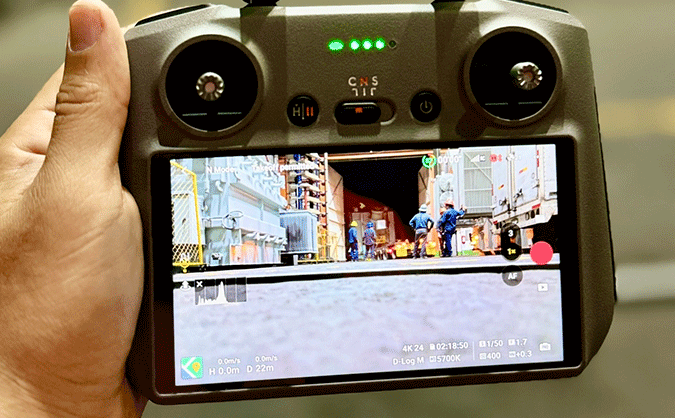
Depending on availability, professional camera systems and supporting equipment can often be sourced locally.
However, simply requesting:
“We need a cinema camera.”
isn't always enough.
A complete camera package may also involve:
- Camera body
- Lenses
- Media
- Batteries
- Chargers
- Tripods
- Monitors
- Wireless video
- Camera support
- Accessories
The production should also consider how the footage will integrate with the rest of the project.
For example:
- Does the footage need to match cameras used elsewhere?
- Is there a required recording format?
- Who will manage media?
- Is a specific color workflow required?
- Does the production need backup cameras?
These decisions are easier to make before the equipment is reserved.
5. Lighting, Grip, and Production Support Equipment
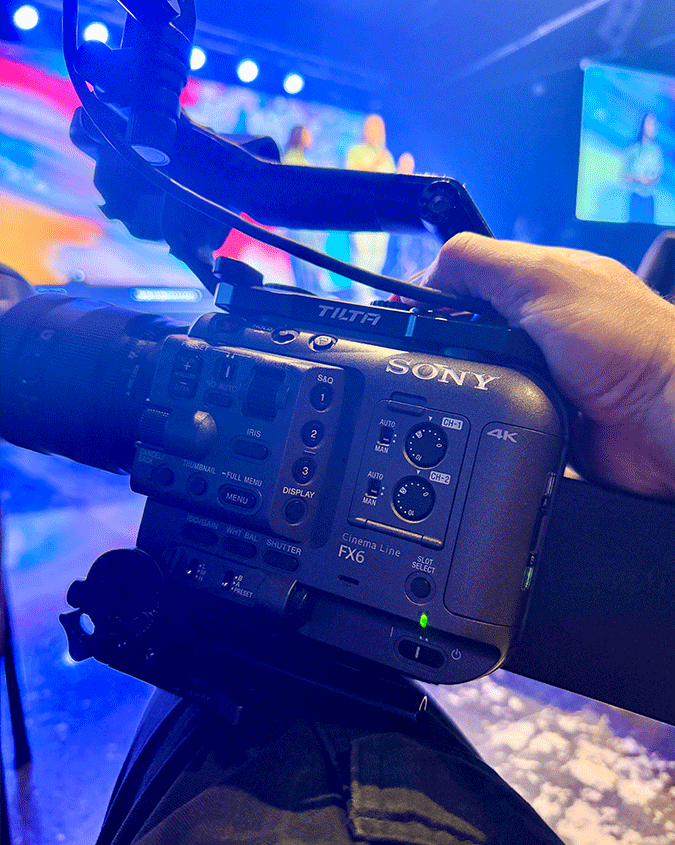
Camera equipment is only one part of the production package.
For many shoots, lighting and grip can represent a significant portion of the technical setup.
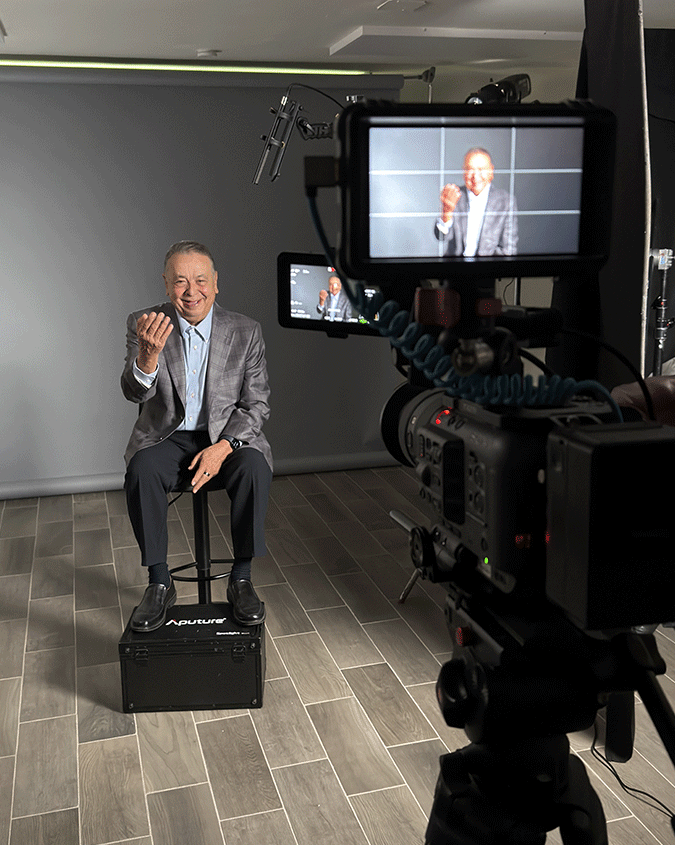
A simple interview might require:
- Key light
- Fill or negative fill
- Backlight
- Diffusion
- Basic stands and grip
A larger production might require:
- Multiple lighting fixtures
- Larger support systems
- Frames
- Diffusion
- Flags
- Power distribution
- Additional grip
- Rigging
The right package depends heavily on the location.
Filming inside a corporate office is very different from lighting:
- A manufacturing facility
- A warehouse
- A large event
- An exterior location
- A commercial set
When planning equipment, it helps to share as much information about the location as possible.
Photos, floor plans, scout information, and reference images can help the production team recommend the appropriate package.
6. Can You Rent Equipment Without Hiring Crew?
Yes.
Depending on the project, you may only need equipment.
For example, your production may already have:
- A director
- Cinematographer
- Camera crew
- Technical team
And simply need local equipment sourcing.
However, equipment-only rentals may not always include the same level of support as a fully coordinated production package.
Before confirming a rental, clarify:
- Who is responsible for equipment selection?
- Who will receive the equipment?
- Who handles setup?
- Who operates specialty equipment?
- Who is responsible for transportation?
- What happens if technical support is required?
Some equipment requires specialized operators or experienced crew.
A local production partner can help determine whether a specific package should be rented independently or paired with qualified technicians.
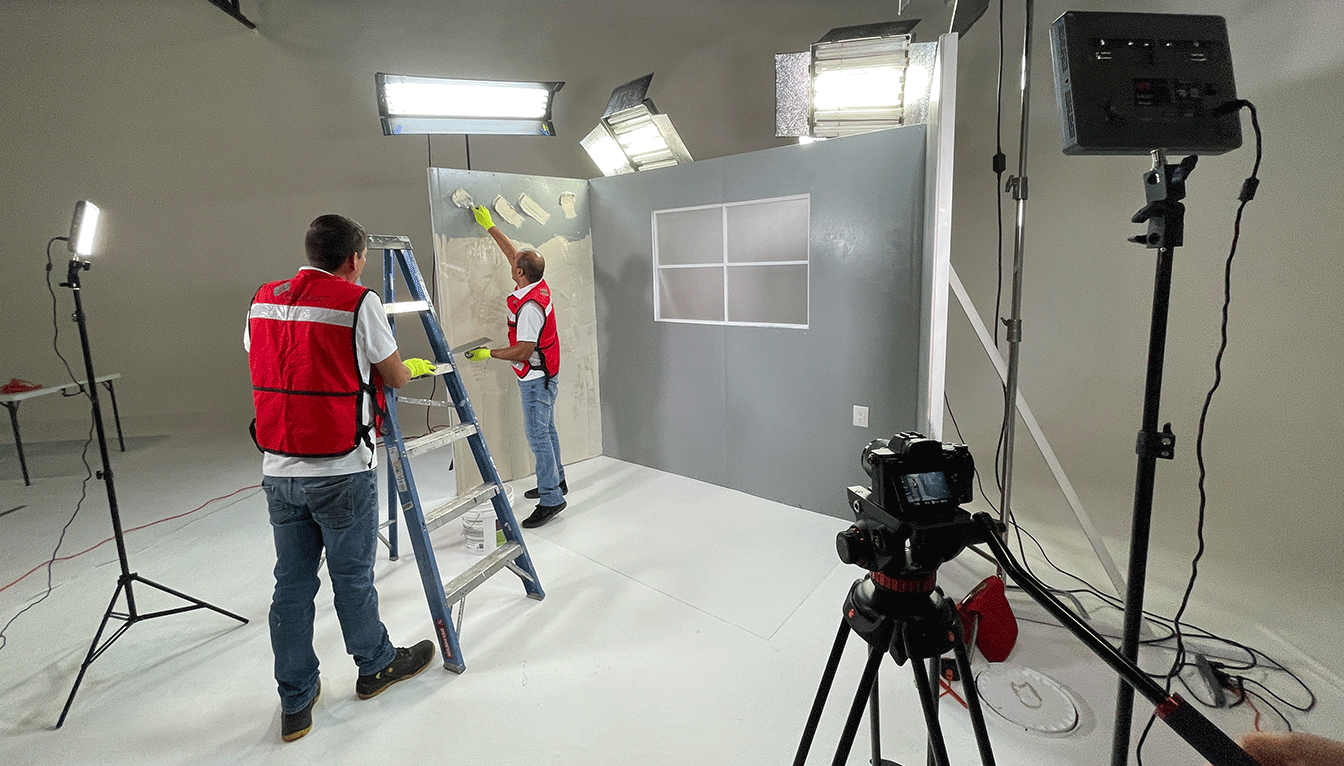
7. Equipment Availability Across Mexico
Equipment availability can vary significantly depending on where you're filming.
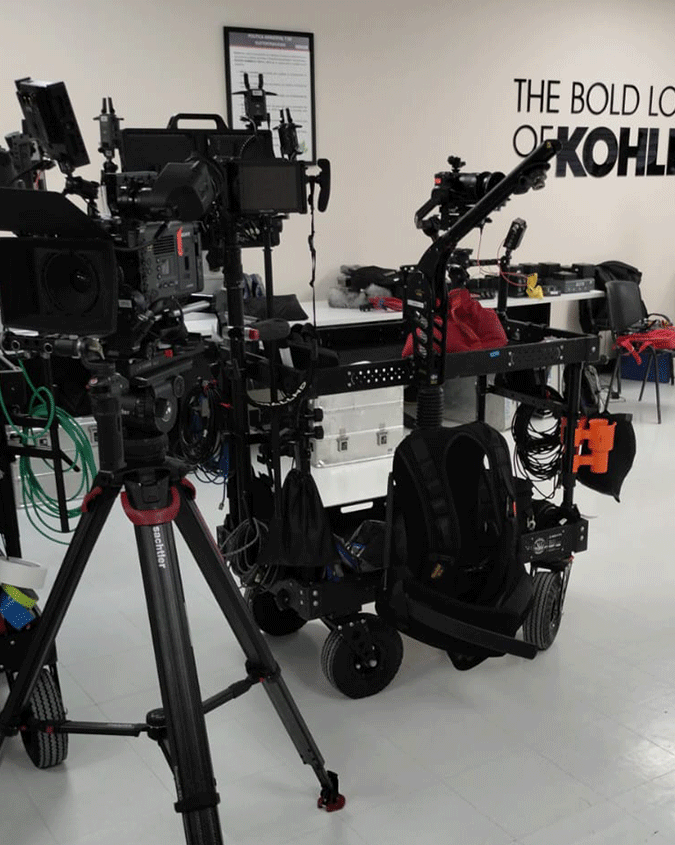
Major production centers generally offer broader access to:
- Camera systems
- Lighting
- Grip
- Audio
- Production support equipment
- Specialized vendors
In other cities, some equipment may need to be transported from a larger production market.
This doesn't mean you can't produce there.
It simply means that equipment logistics should be part of the production plan.
For example, a production in:
Mexico City
may have access to a wide range of production vendors locally.
A shoot in a smaller industrial city may require:
- Equipment transport
- Coordination with vendors from another city
- Additional prep time
- Different transportation planning
The earlier you identify equipment requirements, the easier it is to determine the most efficient sourcing strategy.
8. Coordinating Equipment for Multi-City Productions
Multi-city productions require additional planning.
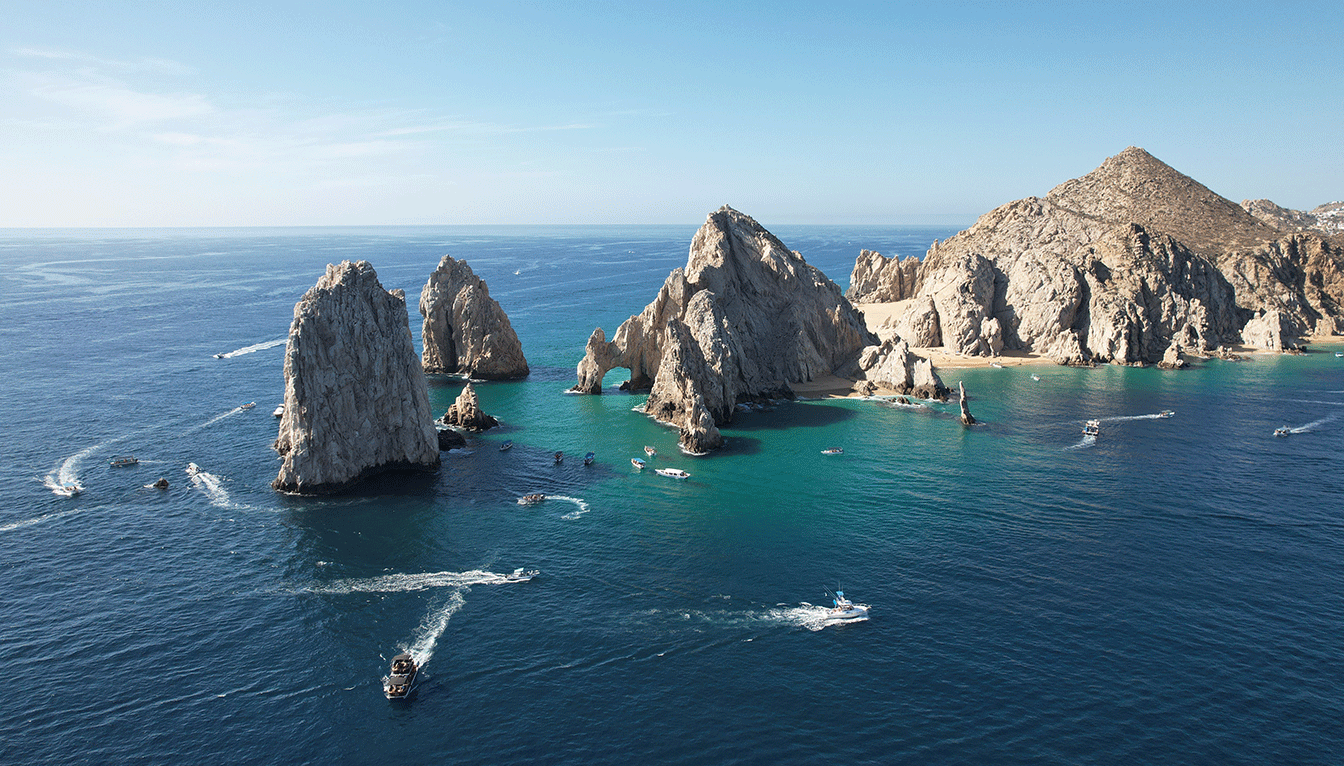
Imagine a project filming in:
Monterrey → Querétaro → Mexico City
There are several possible approaches.
Option 1: Travel With the Equipment
The same equipment package travels from city to city.
This can provide consistency but may involve additional transportation and logistics.
Option 2: Source Equipment Locally in Each City
Equipment is rented from local vendors in each production location.
This can reduce transportation but requires careful coordination to ensure technical consistency.
Option 3: Use a Hybrid Strategy
A core package travels with the production while larger or more widely available equipment is sourced locally.
For example:
Camera + Specialty Lenses Travel
While:
Lighting + Grip + Audio Are Sourced Locally
For many productions, this approach provides a good balance between consistency and logistical efficiency.
The best strategy depends on:
- Number of cities
- Shoot schedule
- Equipment requirements
- Transportation costs
- Local availability
- Technical consistency
The key is to plan equipment as part of the overall production strategy—not as an isolated rental decision.
9. Backup Equipment and Contingency Planning
Professional productions should always consider what happens if something fails.
Depending on the complexity of the shoot, contingency planning may include:
- Backup camera bodies
- Additional batteries
- Backup media
- Spare lenses
- Replacement audio equipment
- Backup lighting fixtures
- Additional power options
The level of redundancy should match the importance and complexity of the production.
A small, flexible shoot may not require a complete duplicate package.
A major production with limited access to talent or locations may need a more comprehensive backup strategy.
For example, if you're filming a CEO who is only available for 45 minutes, a technical problem can become much more expensive than the cost of having appropriate backup equipment available.
The goal isn't to over-rent.
It's to understand where redundancy is worth the investment.
10. Delivery, Prep, and Production Support
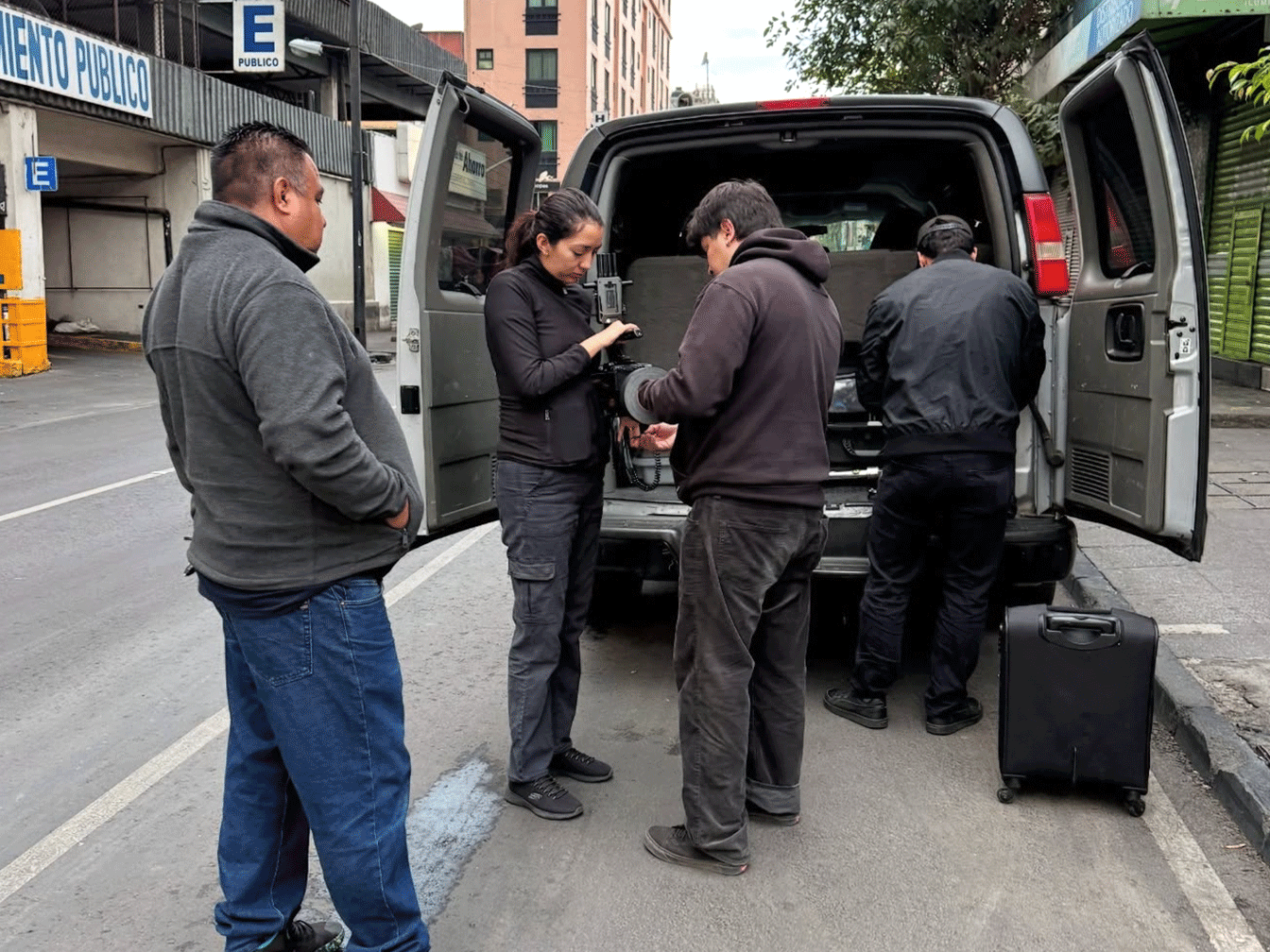
Getting equipment to the set is only one part of the process.
Depending on the production, equipment coordination may include:
Equipment Planning
Reviewing the production requirements and building the appropriate package.
Vendor Coordination
Confirming availability and coordinating equipment from one or multiple suppliers.
Delivery and Prep
Preparing the equipment before the shoot and coordinating delivery to the production location.
Production Support
Providing technical coordination or on-set support when required.
Wrap
Checking, organizing, returning, and closing out the equipment package after production.
For international teams, having one point of contact coordinate these steps can simplify communication—particularly when equipment is being sourced from multiple vendors.
11. How Early Should You Reserve Production Equipment?
The earlier, the better.
Simple equipment packages may sometimes be available on relatively short notice.
But specialized or high-demand equipment may require significantly more planning.
Early reservation provides more flexibility around:
- Preferred camera systems
- Specific lenses
- Larger lighting packages
- Specialty equipment
- Multi-city coordination
- Backup equipment
- Transportation
This becomes particularly important when your production is taking place during:
- Busy production periods
- Major events
- Large commercial productions
- Limited equipment availability windows
You don't need to have every creative detail finalized before starting the conversation.
Once you know the approximate dates, locations, and general technical requirements, equipment planning can begin.
A SIMPLE EQUIPMENT RENTAL CHECKLIST
Before requesting production equipment in Mexico, try to define:
Production Details
- Shoot dates
- Number of shoot days
- Production locations
- Number of cities
Camera
- Preferred system
- Number of cameras
- Recording format
- Resolution
- Frame rate
Lenses
- Prime or zoom
- Required focal lengths
- Specialty lenses
Lighting and Grip
- Type of production
- Interior or exterior
- Day or night
- Location size
Audio
- Number of subjects
- Wireless requirements
- Boom requirements
- Recording workflow
Additional Equipment
- Teleprompter
- Monitors
- Drone
- Streaming
- Specialty movement
- Backup systems
You don't need to be a technical expert to provide a useful production brief.
If you know what you're filming and what you want to achieve, an experienced cinematographer or production partner can help translate those needs into an equipment plan.
The Right Equipment Package Is the One That Supports Your Production.
Renting production equipment in Mexico isn't simply about finding a camera.
It's about coordinating the technical resources needed to make the production work.
That may mean renting a complete local package.
It may mean bringing your core camera system and sourcing lighting and grip locally.
Or it may mean coordinating different equipment packages across multiple cities.
The best approach depends on your:
- Production requirements
- Creative goals
- Technical specifications
- Locations
- Schedule
- Travel logistics
- Budget
Start with the production.
Then build the equipment package around what the production actually needs.
Frequently Asked Questions
Can I rent ARRI, RED, Sony, or other professional camera systems in Mexico?
Depending on the city, vendor availability, and production dates, professional camera systems can be sourced locally. Specific models and configurations should be confirmed as early as possible.
Can equipment be delivered to any city in Mexico?
Equipment can often be coordinated for productions throughout Mexico, although delivery logistics, transportation costs, and availability may vary depending on the location.
Can you source specialty lenses?
Depending on local availability, specialty lenses and specific camera configurations can be coordinated for the production.
Can equipment be coordinated for a multi-city production?
Yes. Depending on the production strategy, equipment can travel with the crew, be sourced locally in each city, or be coordinated through a hybrid approach.
How early should I reserve equipment?
As soon as you have approximate production dates and a general understanding of your technical requirements. Earlier planning provides more flexibility around specific equipment and vendors.
Can I rent production equipment without hiring crew?
Yes. Equipment can be coordinated independently for productions that already have their own crew or technical team.
Can I rent lighting and grip equipment?
Yes. Equipment packages can include lighting, grip, stands, frames, diffusion, power, and other production support equipment based on the requirements of the shoot.
Should I rent backup equipment?
That depends on the project. Productions with limited access to talent, complex schedules, or high technical requirements may benefit from additional backup systems.
Can production equipment support live streaming?
Yes. Depending on the technical requirements, equipment coordination can include cameras, monitoring, audio, and other systems required to support live or remote productions.
How is equipment pricing determined?
Equipment costs depend on the type and quantity of gear, number of rental days, locations, transportation, technical support, and any specialized requirements.
NEED PRODUCTION EQUIPMENT IN MEXICO?
Whether you need a complete camera package, lighting and grip, audio equipment, specialty gear, or equipment coordination across multiple cities, we can help build the right package for your production.
Tell us what you're filming, where you're shooting, and what technical requirements you have.
Email: hola@republic24.net
Phone: +52 81 1498 1639