

How to Hire a Film Crew in Mexico
RESOURCE GUIDE
Hiring a film crew in another country can feel straightforward at first.
You need a camera operator. Maybe a sound recordist. A few lights. Perhaps a complete crew for several days of filming.
But once production planning begins, the questions quickly become more complicated.
Who do you actually need on set?
Should you hire individual freelancers or work through a local production company? Should you travel with your own director or cinematographer? Can the crew source equipment? Do they speak English? Can they travel between cities?
Mexico has a large and diverse audiovisual production industry, with crew, production services, equipment providers, and local production professionals working across the country. The Mexican Film Commission itself maintains directories for crew, production services, equipment rental, locations, and other production resources.
The challenge is not simply finding people.
It's building the right team for your production.
This guide explains how to hire a film crew in Mexico, what roles you may need, how to evaluate local production partners, and how to build a crew that fits your project.
IN THIS GUIDE
1. Start by Defining What You Actually Need
2. Decide Between Individual Crew and a Complete Team
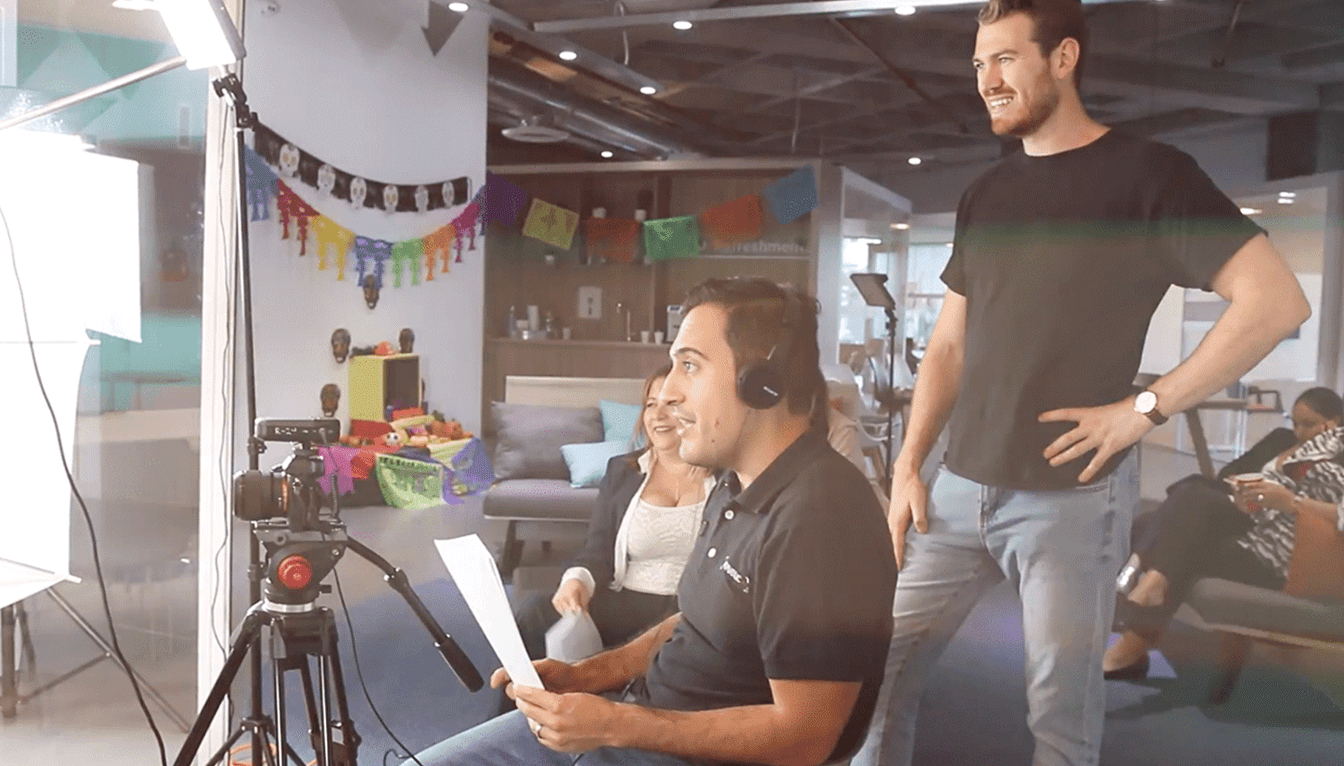
3. Understand the Key Production Roles
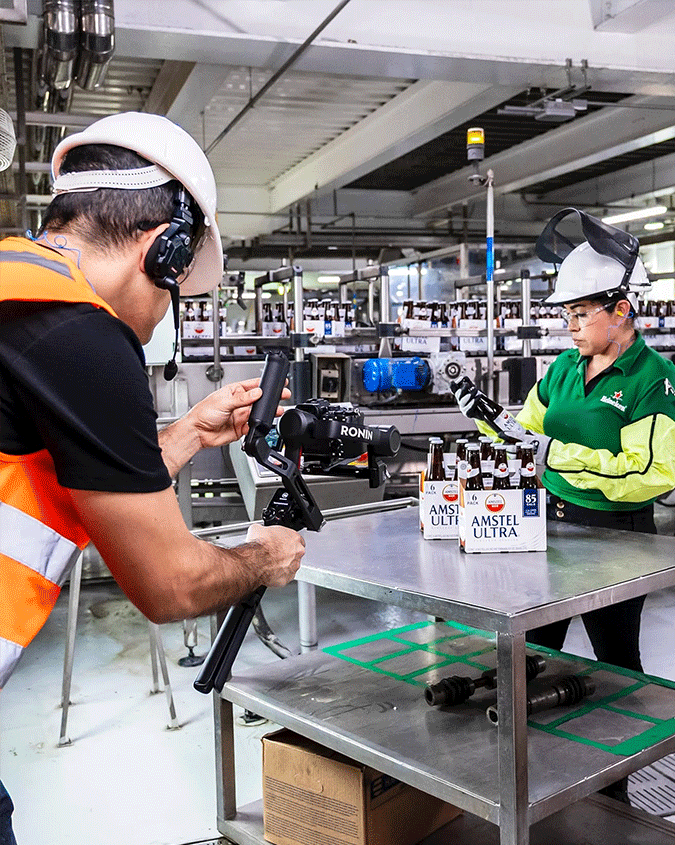
4. Choose Local Crew, a Traveling Crew, or a Hybrid Approach
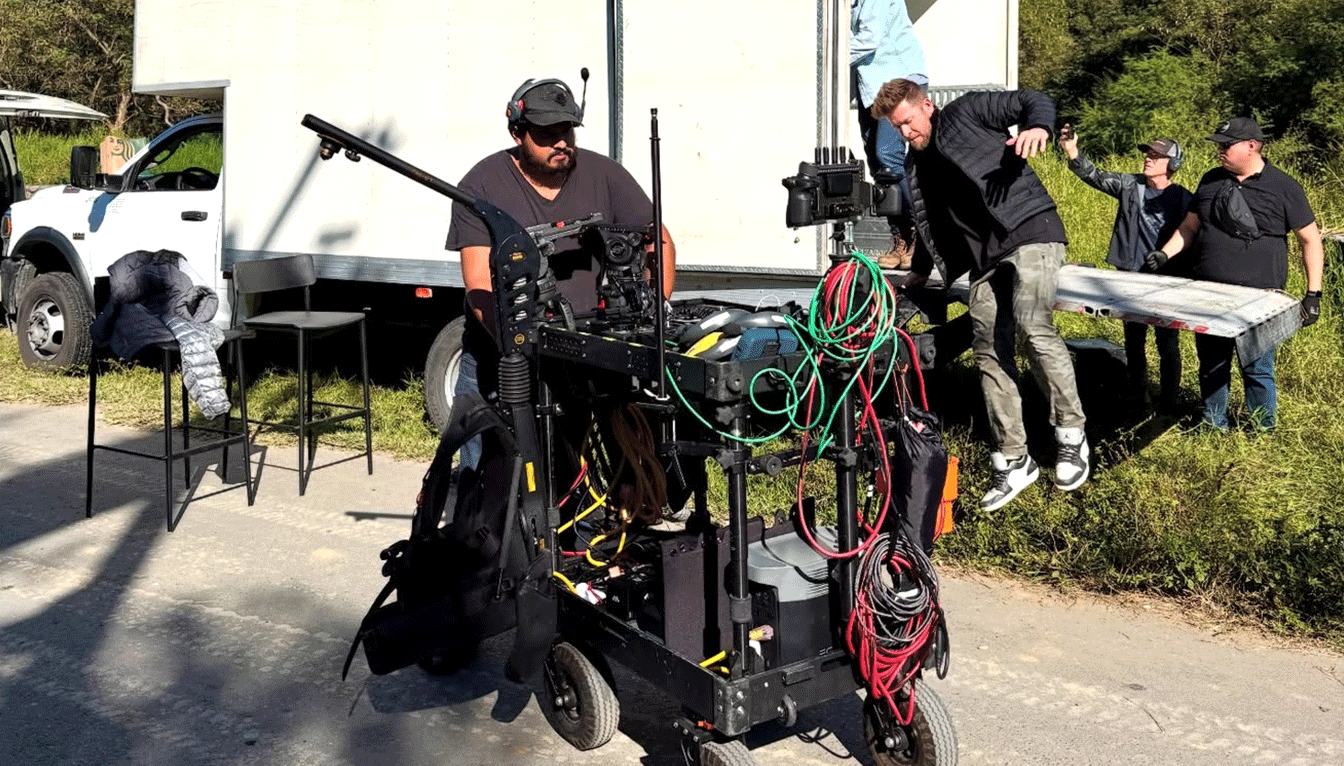
5. Evaluate Experience—Not Just a Demo Reel
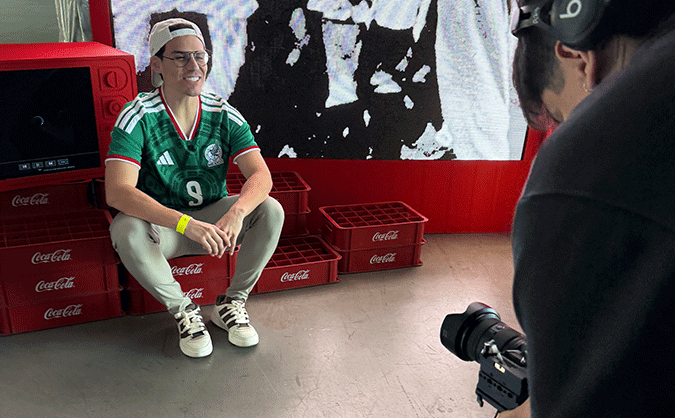
6. Communication Matters More Than You Think
7. Ask About Equipment and Technical Requirements
8. Understand Local Production Support
9. Confirm Availability, Scheduling, and Replacements
10. Know What Should Be Included in Your Quote
11. How Early Should You Book a Film Crew in Mexico?
1. Start by Defining What You Actually Need
Before searching for a film crew, start with the production itself.
A common mistake is asking:
"How much is a camera crew?"
before knowing what the production actually requires.
Instead, define the basics first.
What are you filming?
For example:
- Executive interviews
- Customer testimonials
- Manufacturing operations
- A commercial
- Documentary footage
- Event coverage
- Social content
- Product videos
Where are you filming?
One office, one manufacturing facility, or multiple cities?
How many shoot days do you need?
A one-day interview and a five-day multi-city production require very different crew structures.
What level of production support do you already have?
Do you already have a:
- Director?
- Producer?
- Director of Photography?
- Creative concept?
- Shot list?
- Production schedule?
Or do you need local help putting those pieces together?
The more clearly you define the project, the easier it becomes to build the right crew.
You don't need to know every job title before reaching out. A good production partner should be able to review your brief and recommend an appropriate team.
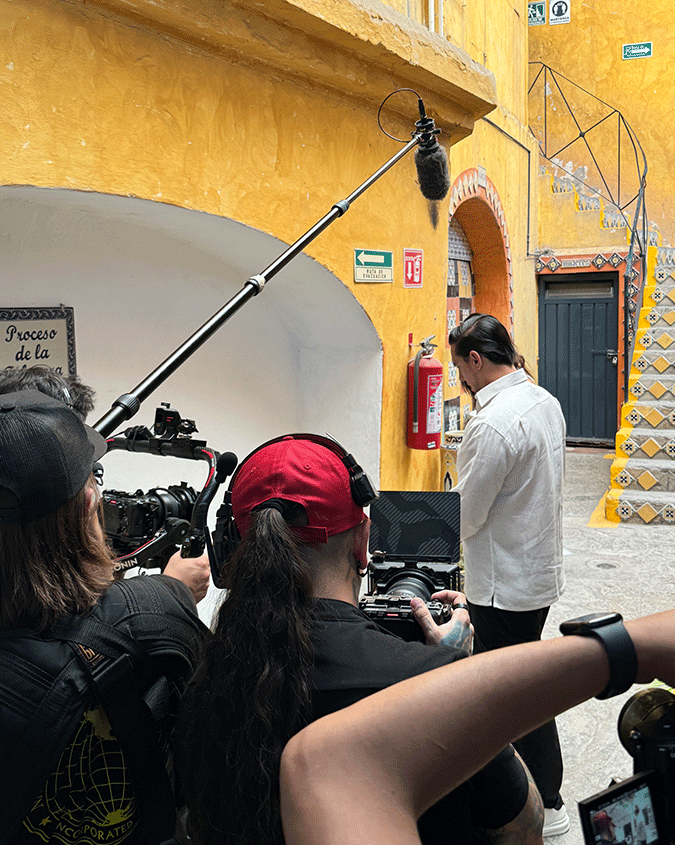
2. Individual Crew Members or a Complete Production Crew?
There are generally two ways to approach crew hiring.
Hiring Individual Crew Members
This can work well when you already have an established production structure.
For example, you may already be traveling with:
- A director
- Director of Photography
- Producer
But need to hire locally:
- Camera assistants
- Sound
- Gaffer
- Grip
- Production assistants
This approach can give experienced production teams a high level of control and flexibility.
However, someone still needs to coordinate availability, schedules, call times, equipment requirements, and communication between departments.
Hiring a Complete Local Crew
For many international productions, it can be more efficient to work with a local production partner that assembles and coordinates the team.
Depending on the project, this may include:
- Camera department
- Lighting and grip
- Sound
- Drone operators
- Production assistants
- DIT and media management
- Producers and coordinators
- Hair, makeup, and wardrobe
Local production companies commonly provide this type of crew coordination alongside other services such as equipment, logistics, locations, and permits.
The advantage isn't simply having someone find names from a database.
It's having someone build a crew whose experience and roles fit together around the production.
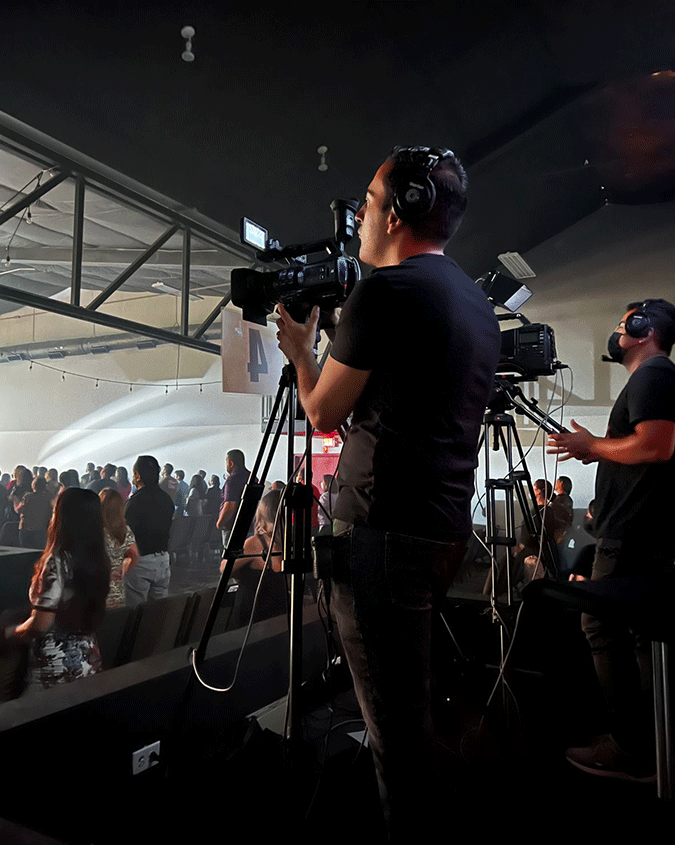
3. Understand the Key Production Roles
You don't necessarily need every department on every shoot.
The right crew depends on the production.
Here are some of the most common roles.
Producer or Production Coordinator
Handles logistics, scheduling, crew coordination, vendors, and the many operational details surrounding the shoot.
For international productions, this person can also serve as an important bridge between the client and the local crew.
Director of Photography
Responsible for the visual execution of the production.
Depending on the project, the cinematographer may help determine:
- Camera approach
- Lenses
- Lighting
- Camera movement
- Visual consistency
Camera Operator
Operates the camera during production.
On smaller productions, the cinematographer and camera operator may be the same person. Larger productions may require multiple operators and assistants.
Camera Assistant
Supports the camera department with tasks such as:
- Focus
- Camera setup
- Lens changes
- Media handling
- General camera preparation
Sound Mixer and Boom Operator
Responsible for capturing clean production audio.
For interview-driven productions, professional audio can be just as important as the camera itself.
Gaffer and Lighting Team
Responsible for executing the lighting plan.
Depending on the production, this may involve a small lighting setup or a larger department with additional technicians.
Grip Department
Supports lighting and camera setups with stands, rigging, mounting, shaping, and other technical solutions.
Drone Operator
Provides aerial footage when appropriate for the production and location.
Drone operations may also involve location-specific requirements or approvals depending on where and how filming takes place.
Production Assistants
Provide general on-set support and help keep the production moving efficiently.
DIT or Media Management
Responsible for organizing, transferring, backing up, and managing footage during production.
This becomes particularly important on larger productions or projects generating significant amounts of media.
4. Local Crew, Traveling Crew, or a Hybrid Approach?
One of the biggest decisions for international productions is determining who travels and who is hired locally.
There are three common approaches.
Option 1: Bring Your Own Core Team
You may travel with your:
- Director
- Director of Photography
- Producer
and hire local crew to support them.
This can work particularly well when maintaining a specific creative approach is important.
Option 2: Hire a Complete Local Crew
A local production partner builds and coordinates the full crew.
This can simplify:
- Travel
- Equipment sourcing
- Local scheduling
- Transportation
- Production logistics
Option 3: Build a Hybrid Team
For many productions, this is the most practical option.
For example:
Traveling Director + Local DP + Local Camera Team + Local Sound + Local Lighting and Grip
Or:
Traveling DP + Local Camera Assistants + Local G&E + Local Production Support
There is no universally correct approach.
The decision should be based on:
- Budget
- Creative requirements
- Schedule
- Number of locations
- Equipment
- Travel logistics
- Existing relationships
The strongest production plan is often the one that keeps the key creative roles where they need to be while sourcing the right local support around them.
5. Evaluate Experience—Not Just a Demo Reel
A beautiful reel is useful.
But it doesn't tell you everything you need to know about a crew.
When evaluating a potential production partner or crew member, consider:
Relevant Experience
Have they worked on the type of production you're planning?
A documentary crew, commercial crew, corporate production team, and live event team may all have different strengths.
Production Scale
Can they handle the size of your project?
Someone who is excellent at running a small interview setup may not necessarily be the right fit for a 50-person commercial production—and vice versa.
Location Experience
Have they worked in:
- Manufacturing facilities?
- Corporate offices?
- Hospitals?
- Hotels and resorts?
- Public locations?
- Multiple cities?
Experience with the production environment can be just as important as technical ability.
International Experience
If you're managing the project from another country, experience working with international clients can make a significant difference.
Many Mexico-based production service companies specifically structure their services around bilingual communication, local crew coordination, remote production, and collaboration with foreign producers, agencies, and brands.
6. Communication Matters More Than You Think
A crew can be technically excellent and still create unnecessary friction if communication isn't clear.
For international productions, language should be considered part of the production plan.
Ask:
- Who will be my primary point of contact?
- Does that person speak fluent English?
- Who communicates with department heads?
- How will production updates be shared?
- Who handles questions from the client or agency?
- How are changes communicated on set?
Bilingual production support is particularly valuable when international stakeholders, local vendors, and multiple departments need to make decisions quickly. Production companies serving foreign crews commonly position English-language communication and a single local point of contact as a core part of their service model.
You don't necessarily need every person on set to communicate directly with the client.
But you should know who is responsible for making sure nothing gets lost in translation.
7. Ask About Equipment Early
Crew and equipment are closely connected.
A cinematographer may have specific camera or lens preferences. A gaffer may need to understand the lighting package. A sound mixer may have specific requirements based on the environment.
Before confirming the crew, clarify:
- Camera requirements
- Recording format
- Resolution
- Frame rates
- Lens preferences
- Lighting requirements
- Audio requirements
- Monitoring
- Teleprompters
- Drone requirements
- Backup equipment
Mexico has established providers and production resources across categories including equipment rental, crew, locations, production services, and aerial production.
For many productions, equipment can be sourced locally while the client or director maintains control over the required technical specifications.
The earlier this conversation happens, the easier it is to confirm availability and avoid last-minute substitutions.
8. Understand What Local Production Support Can Include
Sometimes you don't just need a crew.
You need someone to make the crew work.
Local production support can include:
- Crew sourcing
- Scheduling
- Call sheets
- Equipment coordination
- Transportation
- Location support
- Vendor communication
- Permits
- Local troubleshooting
- Production management
- Media coordination
This is where the distinction between crew hire and production services becomes important.
You might only need a camera operator.
Or you might need someone who can take your production brief and coordinate:
Crew → Equipment → Locations → Transportation → Schedule → Production
Production-service providers in Mexico commonly combine local crew with related support such as locations, equipment, logistics, permits, and coordination, depending on the project's needs.
Understanding this difference early can save a lot of back-and-forth.
9. Confirm Availability, Scheduling, and Backup Plans
Once you've identified the right people, confirm the practical details.
That includes:
- Shoot dates
- Prep days
- Travel days
- Call times
- Wrap times
- Overtime structure
- Equipment prep
- Hold days, if applicable
You should also ask:
What happens if someone becomes unavailable?
A local production partner with a broader network may be able to provide replacements more easily than a production built entirely around independently hired freelancers.
This becomes especially important for:
- Multi-day productions
- Remote locations
- Multi-city shoots
- Large crews
- Tight schedules
The goal isn't to assume something will go wrong.
It's to know what happens if it does.
10. Know What Should Be Included in Your Quote
A clear quote should make it easy to understand what you're actually paying for.
Depending on the project, this may include:
- Crew roles
- Number of shoot days
- Prep days
- Equipment
- Travel
- Transportation
- Hotels
- Per diems
- Production coordination
- Overtime
- Insurance or additional requirements
- Media management
You should also understand what isn't included.
For example:
- Does the quote include equipment?
- Are travel expenses separate?
- Is post-production included?
- Are drone operations included?
- Does the rate include overtime?
- Are permits or location fees separate?
A lower initial quote isn't necessarily the better deal if significant production costs have simply been left out.
The goal is clarity.
You should be able to understand what resources are being allocated to your production before the cameras start rolling.
11. How Early Should You Book a Film Crew in Mexico?
The answer depends on the production.
A small, flexible crew for a straightforward shoot may sometimes be available on relatively short notice.
But larger or more specialized productions require more planning.
Booking earlier gives you more options around:
- Crew availability
- Preferred department heads
- Equipment
- Travel
- Production schedules
- Locations
- Permits, where required
Some location or permit requirements can also require significantly more lead time than the crew booking itself, especially when filming involves protected, historic, public, or otherwise restricted locations.
As a general rule:
Contact your production partner as soon as you have a target date—even if the creative details are still evolving.
Early conversations don't require you to lock every detail immediately.
They simply give you more time to build the right production plan.
A SIMPLE CREW-HIRING CHECKLIST
Before hiring a film crew in Mexico, make sure you can answer as many of these questions as possible:
Production
- What are we filming?
- How many shoot days do we need?
- Where are we filming?
- What is the production schedule?
Creative
- Who is directing?
- Who is responsible for visual decisions?
- Do we have a script or shot list?
- What references define the desired style?
Crew
- Which roles do we need?
- Are we bringing anyone from abroad?
- Do we need a complete local crew?
Technical
- What camera system is required?
- What resolution and frame rate?
- What lighting and audio requirements exist?
- Do we need drone or specialty equipment?
Logistics
- Are we filming in multiple cities?
- Does the crew need to travel?
- Do we need transportation or accommodation?
- Are permits or special access required?
You don't need to have every answer before contacting a local production partner.
But this information can make the initial conversation—and the resulting quote—much more accurate.
Don't Just Hire People. Build the Right Team.
The easiest way to hire a film crew is to start filling positions.
The better approach is to start with the production and build the crew around what the project actually needs.
A small corporate interview may only require a focused team.
A manufacturing production may require multiple departments and specialized logistics.
A multi-city campaign may benefit from a hybrid crew that combines traveling creative leadership with local production professionals.
The right team should give you more than technical capability.
It should provide:
- Relevant experience
- Clear communication
- Production efficiency
- Flexibility
- Reliable coordination
- The ability to scale when needed
Whether you need one local camera operator or a complete production crew, the goal is the same:
Bring together the right people to make the production run smoothly.
Frequently Asked Questions
Can international companies film in Mexico?
Yes. Depending on the project, a local production partner can coordinate complete crews that include camera, lighting, grip, sound, drone, production support, media management, and other specialized roles.
Do film crews in Mexico speak English?
English proficiency varies by individual and role. For international productions, it's helpful to establish a bilingual producer or coordinator as the primary point of contact and confirm communication expectations before production begins.
Can I bring my own director or cinematographer?
Absolutely. Many international productions travel with key creative personnel and hire local crew to support the production.
What happens if a crew member becomes unavailable?
This should be discussed during production planning. A production partner with access to a broader local network may be able to coordinate an appropriate replacement if necessary.
Can I hire individual crew members?
Yes. If you already have an established production team, you can hire specific local professionals to fill the roles you need.
Can film crews travel throughout Mexico?
Yes. Depending on the project, you can coordinate traveling crews, source local professionals in different cities, or use a hybrid approach.
Can a local crew source equipment?
Yes. Production partners can often coordinate local camera, lighting, grip, sound, and specialty equipment based on your technical requirements.
How early should I book a film crew?
Earlier is generally better, particularly for larger productions, specialized crew, multi-city shoots, or projects involving significant logistics. Even if your production details are still developing, starting the conversation early can help you understand availability and plan around your target dates.
HIRING A FILM CREW IN MEXICO?
Whether you need a single camera operator, a complete production crew, or local professionals to support your existing team, we'll help you build the right crew around your production.
Tell us what you're filming, where you're shooting, and what kind of support you need.
Email: hola@republic24.net
Phone: +52 81 1498 1639